
Late updated: 12 Dec 2025 12:12
Written by: Emma Saunders
Exploring Emerging Bubble Sports Trends in the UK: A Clear Overview
Bubble sports are capturing attention across the UK, blending physical activity with a dose of playful fun. This trend, originating from traditional games but infused with new twists, is captivating a wide audience, from fitness enthusiasts to those seeking novel leisure pursuits. As we explore this dynamic landscape, it's clear that bubble sports are not just a passing trend; they represent a significant shift in how we approach leisure and exercise.
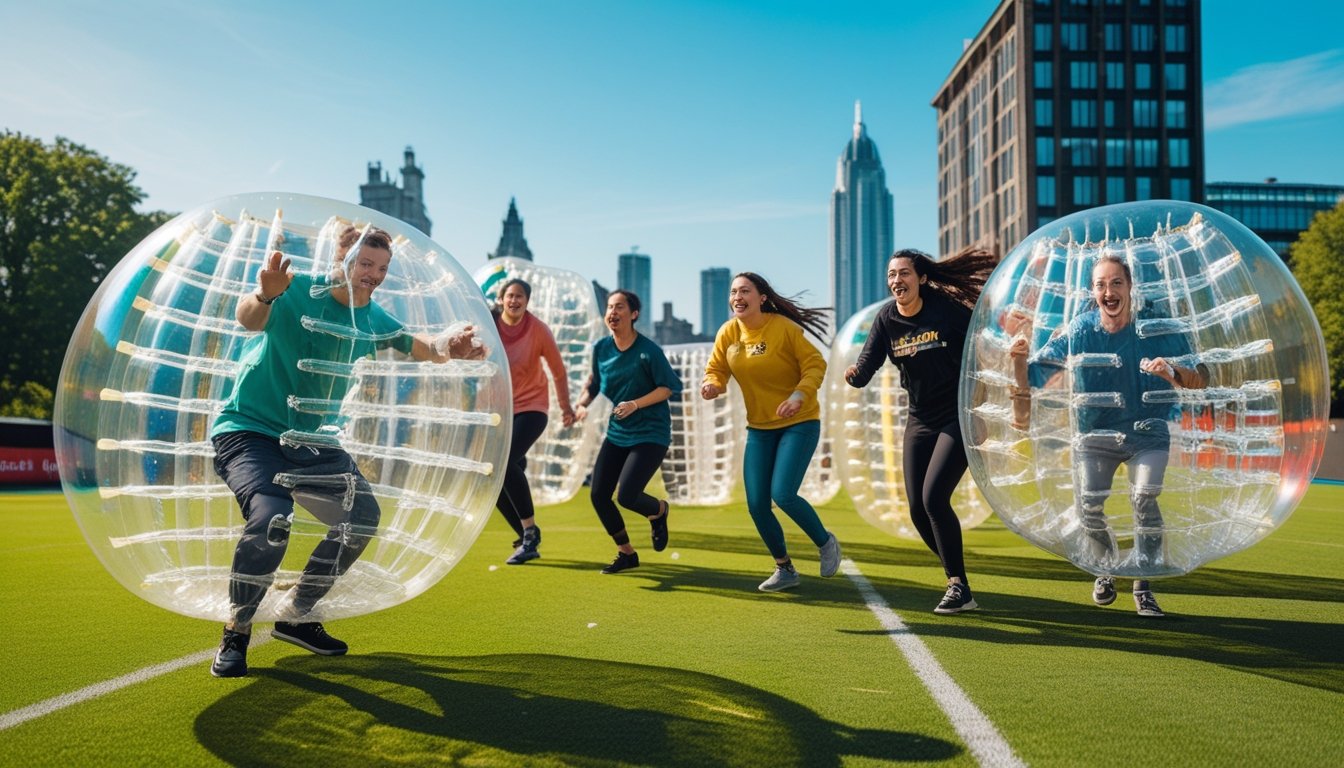
From bubble football to zorb racing, these activities offer participants a unique blend of challenge and enjoyment. Social media has been instrumental in the rise of these sports, allowing for rapid sharing of experiences and broadening their appeal. The flexibility and inclusivity of bubble sports make them accessible to a diverse range of age groups and fitness levels, enhancing their popularity across the nation.
The popularity of bubble sports is both a reflection and a driver of changing leisure patterns in the UK. The emphasis on fitness, coupled with the desire for engaging, social experiences, positions these sports as a key component of future recreational trends. As we delve deeper into the nuances of these activities, we're uncovering a landscape rich in potential for innovation and community-building.
Key Takeaways
- Bubble sports blend fun and physical activity, capturing UK's interest.
- Social media and inclusivity are key drivers of their growth.
- Bubble sports reflect shifting leisure patterns in the UK.
Key Emerging Bubble Sports Trends in the UK
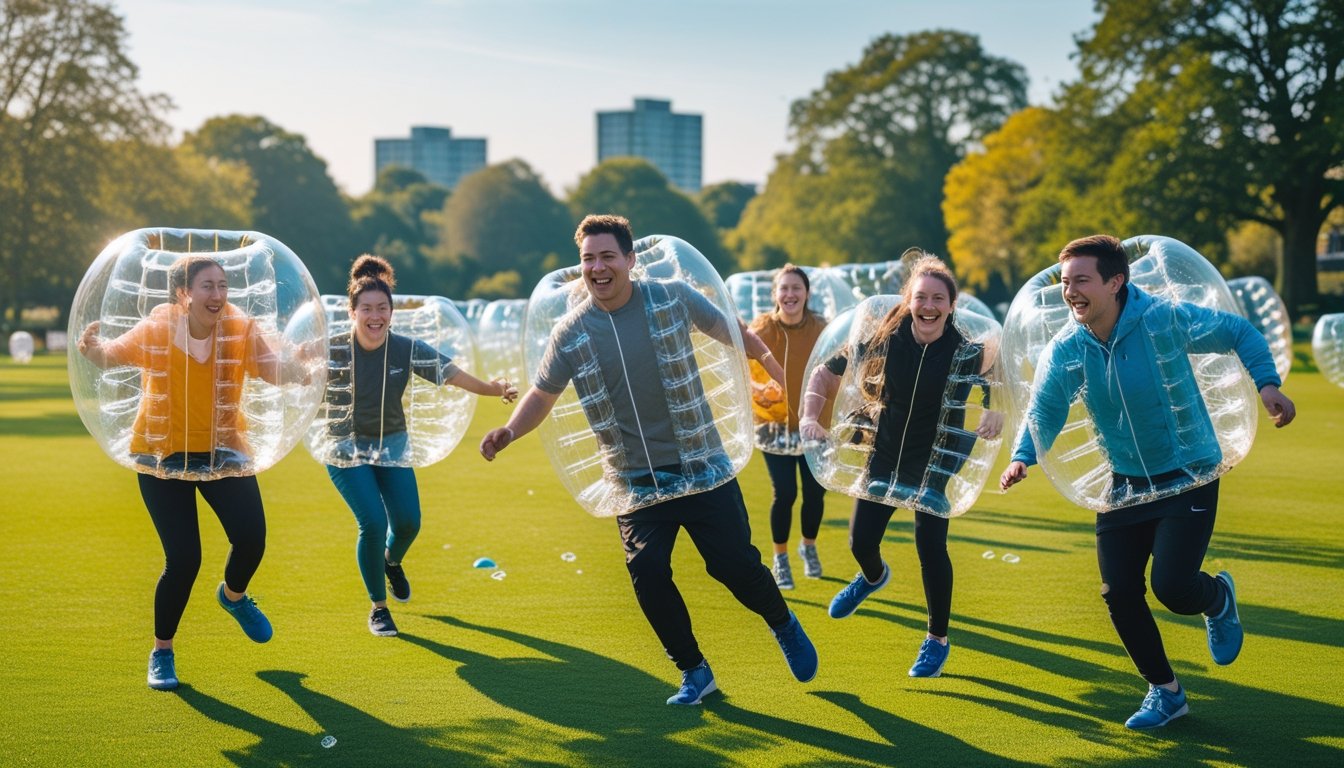
The UK is witnessing a vibrant movement towards bubble sports, reflecting a broader trend in emerging sports. Among these, bubble football shines as a favourite, driving innovation in community engagement, while footgolf and teqball are capturing attention for their unique blend of traditional and modern play styles.
Rise of Bubble Football and Related Activities
Bubble football has taken the UK by storm, a thrilling twist on the traditional game. The sport involves players encased in inflatable bubbles, adding a comical yet challenging element. It's quickly becoming a staple in both amateur and professional sports settings across the country. Enthusiasts are drawn to the fun, safety, and team spirit it encourages, making it an attractive option for various age groups. This popularity surge is exemplified by the increase in local leagues and tournaments, attracting participants from diverse backgrounds. The light-hearted nature of the game complements serious athletic endeavour, ensuring its place in the wider sports landscape.
Integration of Bubble Sports in Community Events
Bubble sports have become a focal point of community events, celebrated for their ability to bring people together in a fun, inclusive manner. Many local councils and organisations are incorporating bubble sports into festivals and charity functions, capitalising on their mass appeal and low-risk nature. These activities promote physical fitness and social interaction, appealing to community organisers keen on fostering a sense of unity. Beyond local events, schools and corporate teams have embraced bubble sports for team-building exercises, finding them an effective way to encourage cooperation and camaraderie among participants. This integration highlights a growing trend towards inclusive sports that cater to a wide audience.
Growth of Footgolf and Teqball Across the UK
Footgolf and teqball are redefining the UK sports scene with their innovative combination of football and other popular sports. Footgolf blends elements of golf, where players aim to get a football into oversized holes in as few kicks as possible. It's a casual yet competitive sport, perfect for all ages. Similarly, teqball, played on a curved table, merges football skills with table tennis dynamics. Both sports have shown remarkable growth, reflected in the increasing number of clubs and venues dedicated to them. As they gain traction, they’re offering exciting opportunities for sports enthusiasts and reshaping how people engage with recreational activities.
Driving Forces Behind the Popularity of Bubble Sports

Bubble sports are gaining traction in the UK due to several contributing factors. Innovations in fan engagement, technological advancements, and the influence of esports have reshaped the landscape. These driving forces highlight the dynamic evolution within the UK sports industry.
Innovations in Fan Engagement and Spectator Experiences
Engaging fans in innovative ways is pivotal to the rising interest in bubble sports. By employing immersive techniques, leagues and organisers are ensuring that spectators are not just passive viewers but active participants in the excitement. Virtual reality (VR) and augmented reality (AR) experiences allow fans to feel as if they’re part of the action, offering a new dimension to traditional spectator roles. Interactive polls, real-time feedback, and social media integration enable fans to influence game-day decisions or outcomes, transforming the way audiences connect with sports. This heightened level of participation fosters a sense of community and loyalty, encouraging more people to invest time and interest in bubble sports events.
Role of Technology and Wearable Tech in Bubble Sports
Technology plays a pivotal role in enhancing both the playing and viewing experience in bubble sports. Wearable tech has revolutionised how athletes perform and how data is collected during games. Sensors embedded in bubble suits can provide real-time metrics such as speed, collision impact, and heart rate. This data not only aids players in improving their performance but also engages fans by providing insights into the athletes' physical exertion during matches. Devices and apps enable a better understanding of team strategies through live metrics, further involving tech-savvy spectators. The incorporation of cutting-edge technology thus helps bridge the gap between the sport and its followers, ensuring a more connected and informed fan base.
Influence of Esports and Digital Communities
The overlap between esports and bubble sports is creating a unique synergy, capturing the curiosity of a younger audience. Esports' competitive and community-driven nature serves as a model for bubble sports to emulate. Streaming platforms like Twitch help reach digital communities, offering spaces where viewers can interact directly with players and commentators. This integration draws parallels between physical sports and video game competition, appealing particularly to tech-oriented demographics. The digital accessibility of esports has been critical in providing a model for increasing the appeal of bubble sports, helping them integrate into a broader spectrum of sporting events that combine physical activity with digital sport trends.
Sectoral Shifts Within the UK Sports Industry
The UK sports industry is undergoing sectoral shifts that favour the emergence of bubble sports. Traditional sports organisations are taking notice and investing in bubble sports as a vibrant addition to their portfolios. With rising interest and corporate sponsorship, bubble sports are finding their place alongside more renowned sports events. This transition is buoyed by the support of local sports councils and private companies eager to capitalise on the novelty and social media potential of these activities. Community events and school programs have also contributed to the proliferation of bubble sports, fostering grassroots participation that ensures sustained popularity and integration into the UK sports tapestry.
Frequently Asked Questions
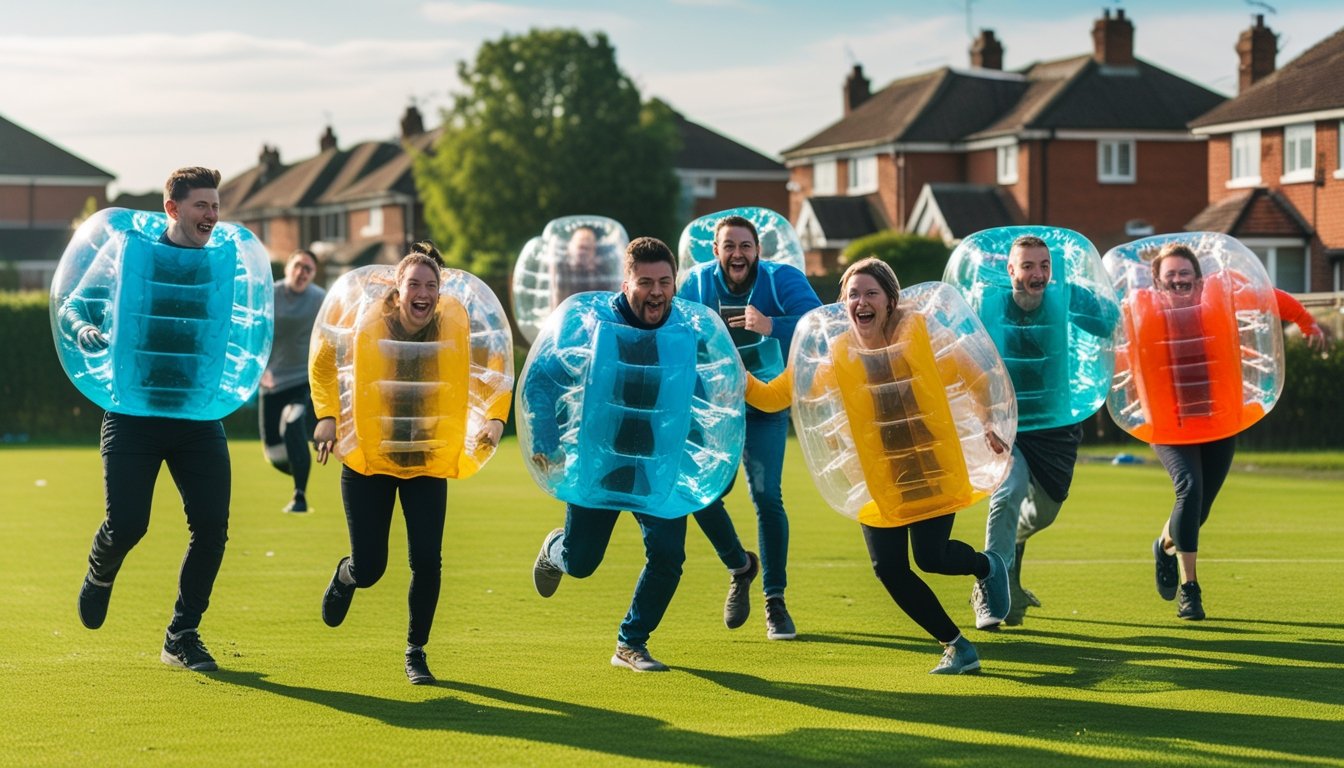
With the rise of bubble sports in the UK, interest grows around their impact on fitness and leisure. These activities are reshaping engagement with physical fitness and providing a unique twist to traditional sports.
What are the leading bubble sports currently gaining popularity in the United Kingdom?
Bubble football is undoubtedly at the forefront, capturing attention with its blend of excitement and novelty. Other emerging favourites include bubble basketball and bubble rugby, which offer a refreshing take on classic sports.
How are bubble sports influencing the UK's approach to fitness and leisure?
Bubble sports present an exciting alternative to traditional fitness methods, encouraging active participation through fun and dynamic activities. They appeal to a wide demographic, making fitness more engaging.
What safety measures are being implemented in bubble sports activities in the UK?
Comprehensive safety protocols ensure participants' well-being. Facilities emphasise proper gear, such as quality bubble suits, and enforce rules to minimise injury risks.
Can bubble sports be played professionally, and are there any established leagues in the UK?
Professional leagues are beginning to take shape. Clubs and organisations are forming, laying the groundwork for competitive play and attracting a growing number of enthusiasts.
How accessible are bubble sports for beginners in the UK, and what facilities offer them?
Many leisure centres and sports venues provide opportunities to try bubble sports. Their accessibility makes them ideal for beginners, with supportive environments that cater to newcomers.
What impact have bubble sports had on traditional team sports within the UK?
While not replacing traditional sports, bubble sports add a novel layer to the sporting landscape. They encourage participation among those who might be less inclined to join traditional team sports, offering a fun and inclusive alternative.