
Late updated: 03 Dec 2025 14:12
Written by: Emma Saunders
Exploring Outdoor Sports Safety Tips in the UK: Essential Guidance
Venturing into the outdoor sports scene in the United Kingdom is both exhilarating and rewarding. With a diverse range of activities from hiking in the Lake District to paddleboarding along the rugged coasts, there's something for everyone who loves an adrenaline rush embraced by nature. Ensuring our adventures are safe and enjoyable requires an understanding of essential safety tips that protect us while we explore.
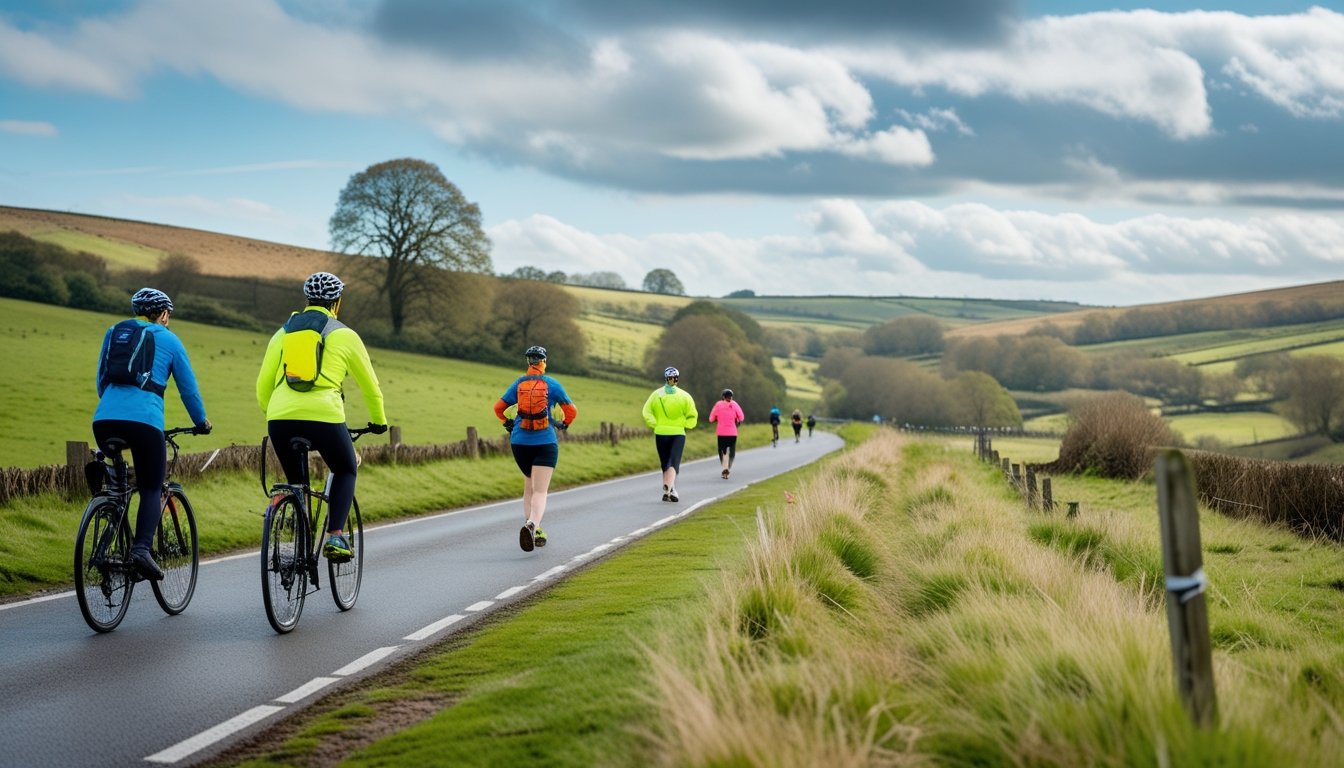
Our journey into the outdoors must be met with a commitment to safety. The varied terrains of the UK demand snug-fitting gear, an eye on the unpredictable weather, and respect for local wildlife. While the beauty of these natural landscapes captivates us, it's imperative we equip ourselves with the skills and knowledge necessary to navigate potential challenges.
Preparation is key. Whether a seasoned adventurer or a novice, having a well-thought-out plan can make all the difference in our experiences. Training, checking safety protocols, and packing the right equipment all add layers of reassurance. Staying informed ensures we can bask in our surroundings without worry.
Key Takeaways
- Ensure safety with the right gear and preparation.
- Follow essential safety principles for UK outdoor sports.
- Be informed about safety protocols to enhance experiences.
Fundamental Outdoor Sports Safety Principles In The UK
Engaging in outdoor sports in the UK requires a keen focus on safety to ensure enjoyable and secure experiences. By preparing thoroughly, recognising terrain hazards, monitoring weather conditions, maintaining hydration, and understanding personal limits, we can enhance our outdoor adventures significantly.
Planning And Preparation Essentials
Before stepping out, having a concrete plan is indispensable. We should start by identifying the activities we intend to partake in and the specific areas we plan to explore. Maps, compasses, or GPS devices are essential tools to guide our paths, helping circumvent any possibility of getting lost.
Researching local regulations and obtaining necessary permits is also pivotal. Additionally, preparing an appropriate equipment checklist ensures we've covered all bases, from suitable clothing to safety gear. Effective communication with our group, establishing meeting points, and familiarising ourselves with emergency contacts contribute to a well-rounded plan. Thus, a comprehensive preparation strategy elevates our safety awareness and confidence in facing unforeseen challenges.
Understanding Terrain And Potential Hazards
The diverse terrain in the UK presents unique challenges that require thorough understanding. From rugged mountain paths in Scotland to the rolling hills of the Cotswolds, each environment poses particular hazards. Recognising these can prevent mishaps.
We should study maps and seek local knowledge to understand route difficulty and risks associated with the terrain, such as loose rocks or muddy paths. Being aware of local flora and fauna is equally crucial, as some might be harmful. Moreover, using a combination of a compass, map, and GPS device can keep us on track and help swiftly address any unexpected situations. By doing so, we increase our situational awareness and reduce the peril of encountering dangers unprepared.
Weather Conditions And Climate Awareness
The UK's unpredictable weather necessitates vigilance and preparation. By checking detailed weather forecasts before and during activities, we can adjust plans accordingly to avoid severe conditions.
Layered clothing is key to adapting to temperature changes, as it allows us to remove or add layers as necessary. We also should not underestimate the British climate's ability to change rapidly; staying equipped with waterproof gear can make a significant difference in comfort and safety. Being climate-aware involves not only preparation but constant monitoring to ensure that all possible risks associated with changing weather are mitigated effectively.
Staying Hydrated And Avoiding Dehydration
Maintaining hydration can significantly affect our performance and safety during outdoor activities. We need to consume ample fluids well before embarking on our adventures. Carrying water bottles or hydration packs ensures access to water throughout our journey.
In cases where we anticipate longer excursions, it might be prudent to plan water refill stops or bring portable water filtration systems. Understanding the symptoms of dehydration—such as dizziness, fatigue, or dry mouth—enables us to address issues promptly, preventing further complications. By prioritising hydration, we set the foundation for a more enjoyable and secure experience as we explore the outdoors.
Knowing Your Limits And Setting Your Itinerary
Understanding our physical and mental limitations is a crucial aspect of safe outdoor adventures. Planning an itinerary that matches our ability level prevents overexertion and potential accidents.
It's beneficial to include rest periods within our itinerary to conserve energy and allow time to appreciate our surroundings. Should we feel uncertain about particular paths or the physical demands of an activity, seeking guidance from local experts or joining organised groups with experienced guides can provide additional safety. We must also communicate our plans with someone not joining the adventure, providing an extra layer of security if issues arise. By tailoring our itinerary to our capabilities, we ensure a fulfilling and secure outing.
Essential Gear, Clothing, And Injury Prevention For Outdoor Adventures
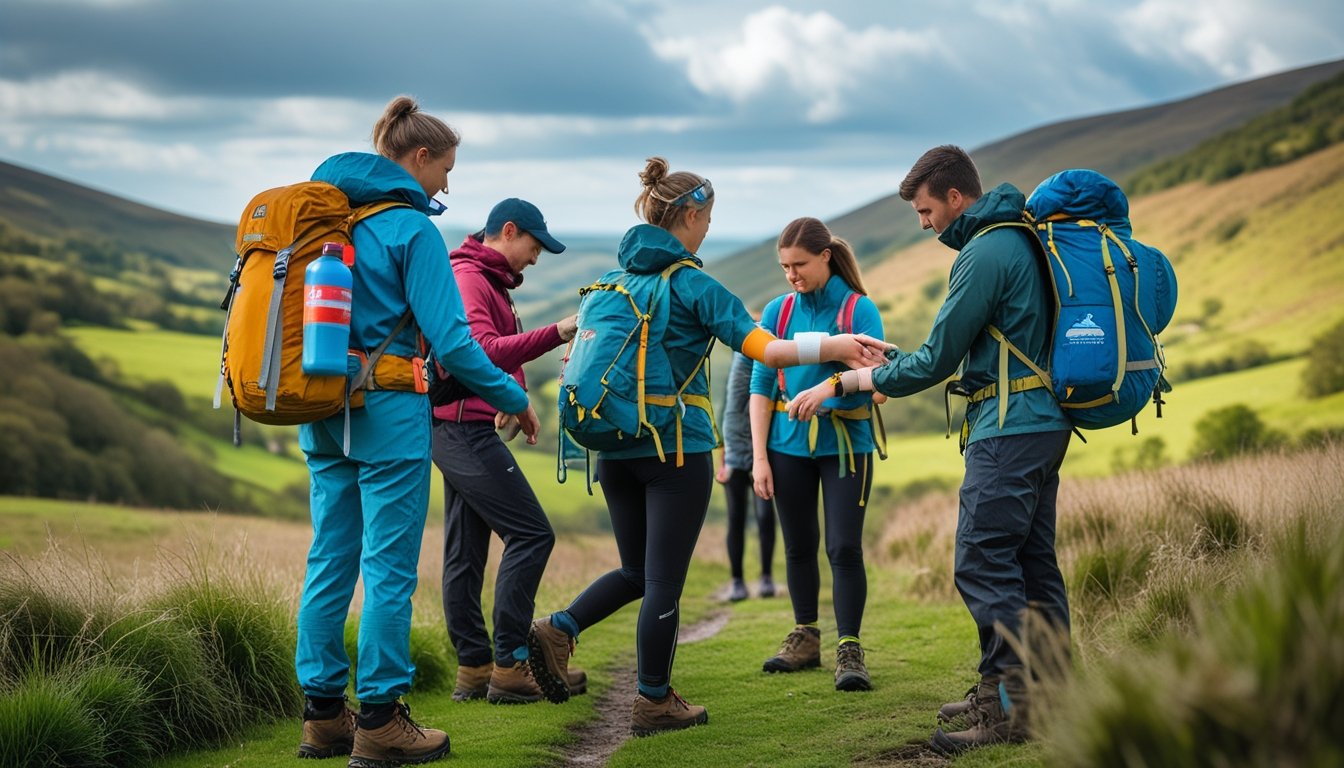
In outdoor sports, preparation can be crucial to success and safety. Equipping ourselves with the right gear, clothing, and knowledge can significantly enhance our experience and protect us from hazards.
Vital Equipment And Navigation Tools
An essential aspect of outdoor adventures is bringing the right equipment and navigation tools. Navigation tools such as a map and compass or a GPS device are crucial for ensuring we don't lose our way. A reliable flashlight is indispensable, especially for activities extending into the evening or in dim conditions. Carrying a multi-tool can also be invaluable for handling unexpected situations or repairs. An emergency shelter provides protection in adverse weather conditions and is a lightweight addition to our kit. By prioritising these items, we can navigate efficiently while maintaining a high level of safety.
Appropriate Clothing And Footwear Choices
The choice of clothing and footwear is critical when engaging in outdoor sports. Wearing a moisture-wicking base layer is essential, as it helps regulate body temperature by drawing sweat away from the skin. A windproof outer layer is necessary to protect against the elements, keeping us warm and dry. For footwear, hiking boots are a popular choice, offering ankle support and robust grip for various terrains. This combination aids in endurance and reduces the risk of blisters or injury. As outdoor adventurers, we must dress in layers to adapt to changing weather conditions, maximising both comfort and protection.
First Aid Readiness And Injury Management
First aid readiness is a crucial part of outdoor adventure safety. Carrying a comprehensive first aid kit is necessary to address common outdoor injuries such as cuts, sprains, and insect bites. It's equally important for us to have a solid foundation of first aid knowledge to utilise these supplies effectively. Quick action can be the difference in managing injuries effectively. With the right resources and skills, we ensure minor injuries don't become major setbacks, allowing us to continue our adventures with confidence.
Protective Gear For Specific Sports
Different sports often necessitate specific protective gear. Helmets are a must for activities like cycling or climbing to prevent head injuries. In water sports, a properly fitted life jacket is life-saving and should be worn at all times. The type of protective gear needed varies by sport, but each piece plays a critical role in our safety strategy. Awareness of this ensures we are adequately protected, regardless of the activity we choose to pursue in the UK’s great outdoors.
Wildlife Awareness And Fire Safety
Wildlife awareness and fire safety are key considerations for safe outdoor activity. Understanding the local wildlife and maintaining a safe distance is crucial to prevent encounters that could lead to injuries or disruptions. Meanwhile, if we decide to set up a campfire, keeping it contained and extinguishing it properly reduces the risk of wildfires. This knowledge and responsible behaviour contribute to our safety and help us minimise our impact on the natural environment. Taking these precautions lets us enjoy our adventures while respecting the world around us.
Frequently Asked Questions
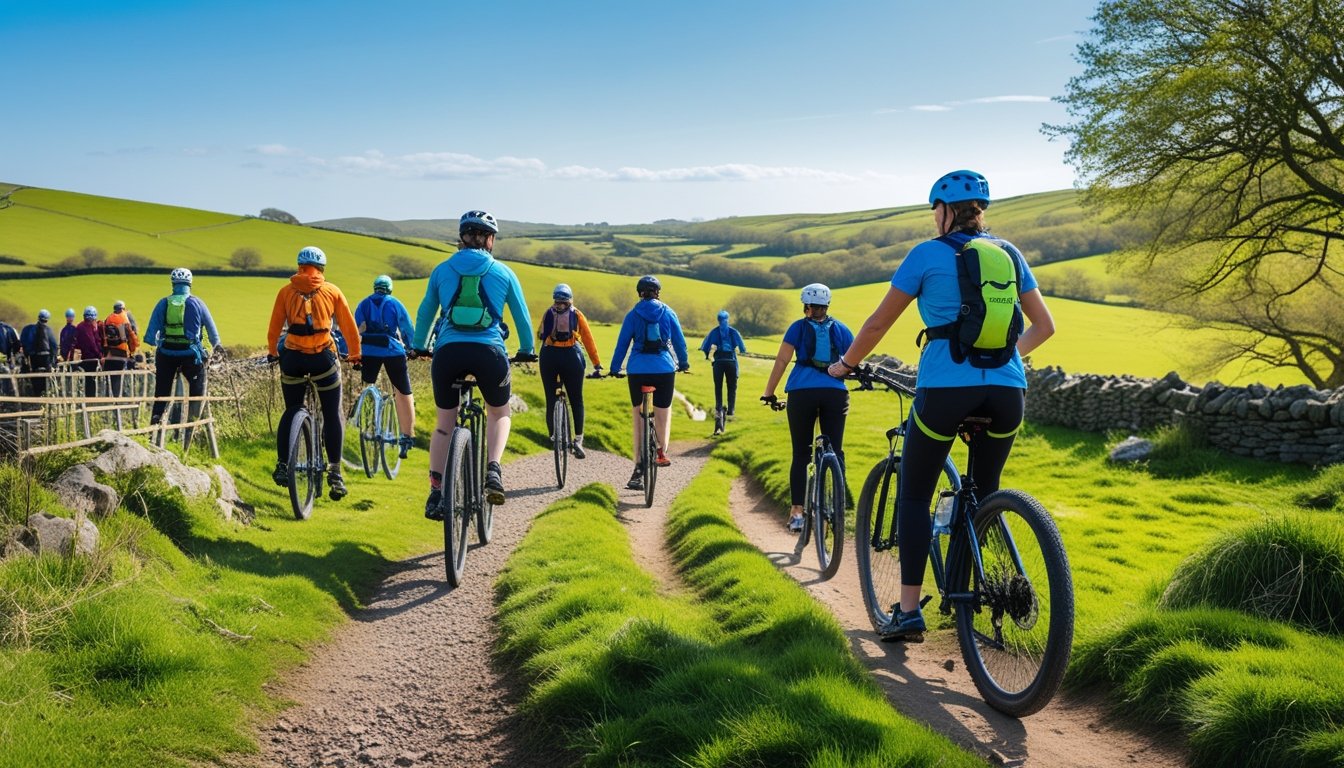
Exploring the outdoors in the UK can be an exciting and rewarding experience. Knowing the right equipment, understanding weather conditions, and understanding wildlife protocols are essential for a safe adventure. Following are some frequently asked questions regarding these topics.
What essential safety equipment should be used for outdoor sports in the UK?
When participating in outdoor sports, it's important that we are equipped with suitable gear. Essentials include a reliable map and compass, durable footwear, and weather-appropriate clothing, especially considering the UK’s variable climate. Carrying a first aid kit and a whistle for emergencies is also advisable.
How can I assess weather conditions for outdoor activities in Britain?
Weather in the UK can be unpredictable, so we should always check a reliable weather forecast before heading out. It’s beneficial to be ready for sudden changes by wearing layers and keeping an eye on the sky for changes.
What are the recommended procedures for dealing with wildlife encounters during outdoor sports?
While wildlife in the UK is generally not dangerous, it's best that we observe animals from a distance and keep food secure to avoid attracting them. If we encounter larger wildlife, staying calm and giving them space is key to ensuring safety for both us and the animals.
Could you guide me through the process of planning a safe hiking trip in the UK countryside?
Safety begins with planning. We should start by selecting a well-marked trail suitable for our skill level and informing someone of our intended route and return time. Bringing sufficient water, checking local advisories, and being prepared for trail conditions, such as mud or steep inclines, are necessary preparation steps.
What are the best practices for minimising environmental impact while partaking in outdoor sports in the UK?
To preserve nature, we should adhere to the 'leave no trace' principles. Carrying out any litter, staying on marked trails, and avoiding disturbing wildlife ensures we maintain the environment for future adventurers and wildlife alike.
How do I ensure personal safety when participating in water sports along the UK coastline?
Ensuring safety on the water starts with wearing life jackets and being aware of the sea conditions. We must understand tidal patterns and always swim or navigate within designated safe areas. It’s prudent to be aware of local lifeguard services and avoid water sports during adverse weather conditions.