
Late updated: 10 Dec 2025 15:12
Written by: Emma Saunders
Exploring The Rise Of Adventure Sports In The UK: A Thrilling Revolution
Adventure sports in the UK have witnessed an extraordinary surge in popularity, drawing thrill-seekers from all walks of life. From the rugged landscapes of Scotland to the coastal cliffs of Cornwall, the nation's natural beauty provides a perfect backdrop for adrenaline-fueled activities. The rise of these extreme sports reflects a broader cultural shift towards pushing boundaries and embracing new challenges.
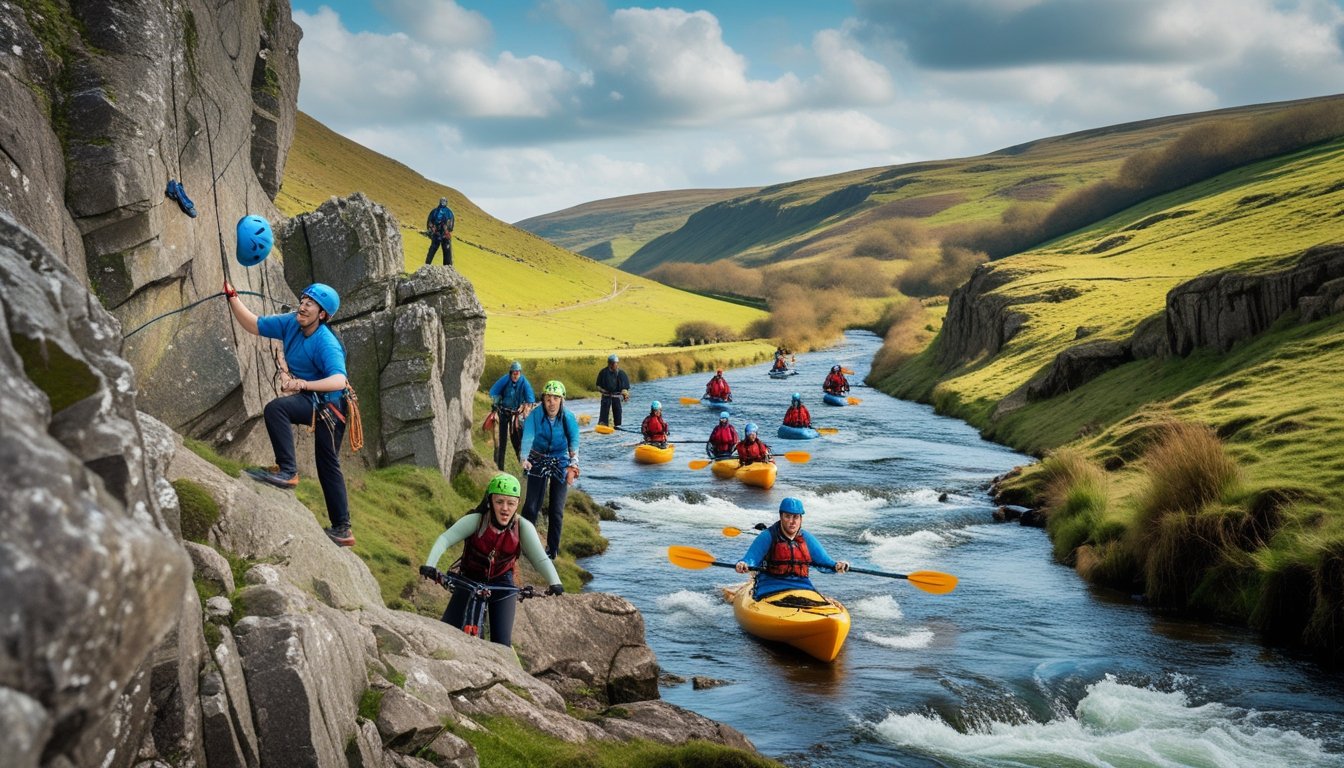
In recent years, activities like parkour in urban landscapes, white-water rafting in the rivers of Wales, and surfing along the English beaches have gained traction. This vibrant scene not only attracts locals but also international visitors eager to experience the unique opportunities offered by the UK's diverse environments. Beyond the physical excitement, these sports offer participants a chance to connect with nature and experience the transformative power of the outdoors.
The UK has become a prominent destination for adventure enthusiasts. With its varied geography, the country offers opportunities for both traditional and innovative sports. Join us as we explore the factors contributing to this dynamic trend and uncover the best adventure experiences waiting to be discovered.
Key Takeaways
- Adventure sports are increasingly popular in the UK.
- Diverse landscapes provide unique challenges and experiences.
- Participants enjoy both physical excitement and connection to nature.
Core Adventure Sports Fueling the UK’s Thrill-Seeking Culture
In the UK, adventure sports have become an integral element of our recreational landscape, capturing the interest of thrill-seekers nation-wide. From scaling the cliffs to riding the waves and exploring hidden gorges, each sport offers its own distinct challenges and rewards.
Rock Climbing Hotspots and Techniques
The UK boasts renowned rock climbing destinations like the Peak District, Snowdonia, and the Lake District. These areas offer a range of routes from beginner-friendly climbs to challenging peaks for seasoned climbers. Technique is crucial in rock climbing; understanding balance, grip, and footwork can greatly enhance our climbing skills. Ascending these rugged landscapes not only delivers an adrenaline rush but also offers breathtaking views. Whether engaging in traditional climbing, sport climbing, or bouldering, the physical and mental demands are both rewarding and exhilarating.
Surfing Along the British Coastline
Our coastline is a paradise for surfers, with iconic spots like Cornwall’s Fistral Beach and Scotland’s Thurso East providing ideal conditions. Surfing offers both tranquility and thrill, riding the British waves amidst stunning backdrops. Wetsuits are essential due to the cooler waters, ensuring we remain warm and agile. The sport appeals to those seeking a connection with nature, requiring a blend of skill, patience, and water safety understanding. For the adrenaline junkies, kitesurfing offers an additional layer of excitement as it combines surfing and paragliding principles.
Kayaking and Paddleboarding on Iconic Waterways
Kayaking and paddleboarding have become staple adventure sports in the UK, with waterways like the River Wye and the Scottish lochs providing perfect settings. These activities cater to a wide audience, from tranquil paddles to spirited bursts navigating rapids. Kayaking technique involves mastering stroke efficiency and balance, while paddleboarding challenges our core strength and stability. Both sports invite us to explore unique marine environments, offering both serene escapes and heart-pounding experiences as we interact closely with nature.
The Rise of Coasteering and Canyoning
Coasteering and canyoning represent the merging of multiple thrilling sports—jumping, swimming, and hiking—crafted into one adrenaline-pumping experience. Coasteering invites us to traverse rocky coastlines, leap from cliffs, and explore sea caves, mainly found in Wales and the South West. Canyoning, on the other hand, takes us through gorges and waterfalls, with Scotland and the Yorkshire Dales being popular destinations. These activities demand teamwork, courage, and a spirit of adventure, making them perfect for those of us looking to push our boundaries while savouring the UK's natural beauty.
Unforgettable Destinations and Diverse Landscapes for Adventure in the UK
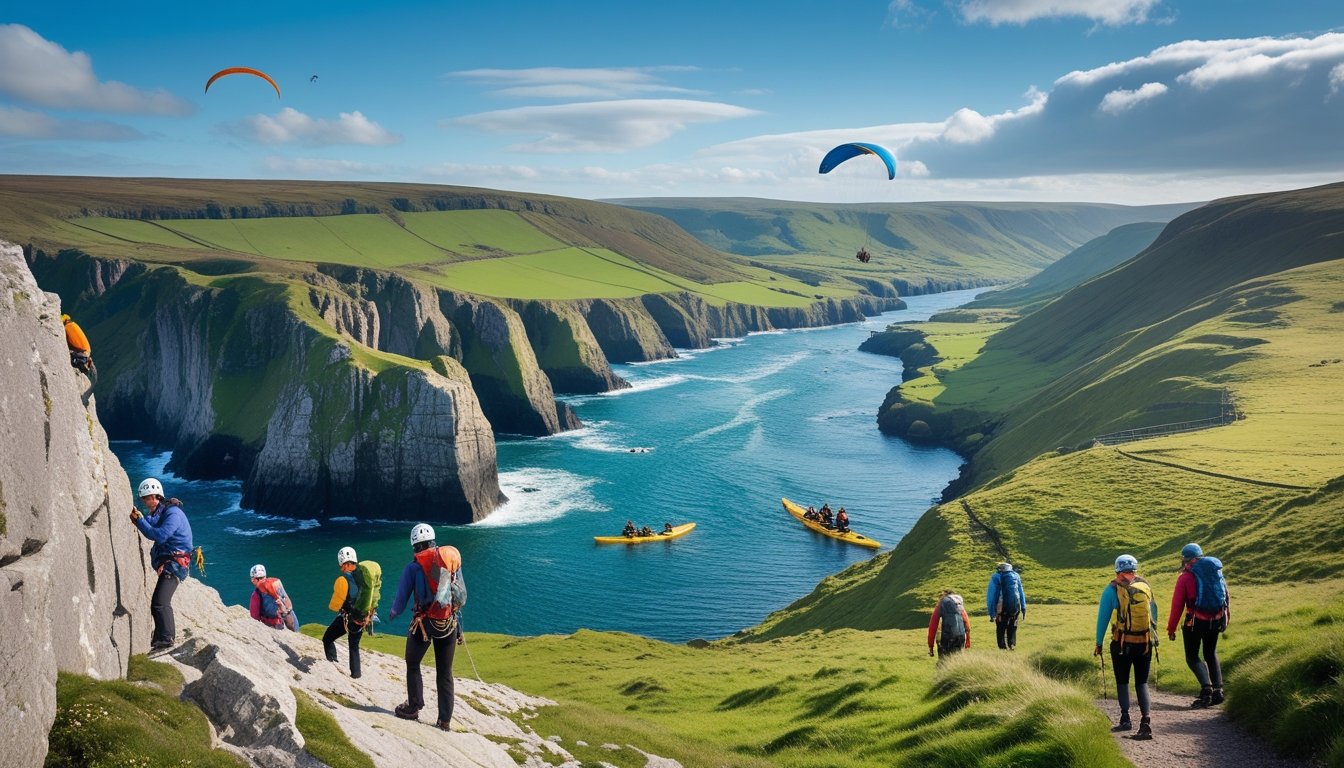
The UK boasts an impressive array of destinations offering thrilling adventures amidst breathtaking landscapes. From Cornwall's dramatic coastlines to the rugged lakes and highlands of Scotland, each area presents unique challenges and experiences suited for adrenaline seekers.
Cornwall’s Coastal Challenges and the Eden Project Zip Line
Cornwall is a haven for thrill-seekers, with its stunning coastline providing ample opportunities for adventure sports. The region's rugged cliffs offer spectacular climbing challenges, while the surrounding seas are perfect for surfing and kayaking. The Eden Project, a renowned eco-attraction, is home to one of the longest zip lines in England. Spanning over a mile, this zip line offers a heart-stopping aerial view of the biomes below, making it an essential stop for outdoor enthusiasts. Whether you're diving into the Atlantic waves or soaring above botanical domes, Cornwall offers experiences that are both diverse and exhilarating.
Exploring Adventure Sports in Pembrokeshire
Pembrokeshire, located in southwest Wales, is a hub for adventure sports in the UK. This area is celebrated for its beautiful national park, which features a dramatic coastline ideal for coasteering—a thrilling combination of swimming, climbing, and cliff jumping. White-water kayaking and surfing are also popular here, with numerous spots catering to various skill levels. The Pembrokeshire Coastal Path, with its rugged cliffs and panoramic ocean views, is perfect for hiking and providing a challenging playground for adventurous souls. With its natural beauty, Pembrokeshire offers an adventure landscape that invites exploration and exhilaration at every corner.
Spectacular Experiences in the Lake District and Scotland
The Lake District and Scotland offer some of the most breathtaking scenery in the UK, making them top destinations for adventure sports. The Lake District attracts climbers and hikers to iconic routes like Striding Edge, a knife-edged ridge that offers thrilling challenges. Scotland’s highlands provide a majestic backdrop for scrambling and rock climbing, with Ben Nevis and the Cairngorms being particularly popular. Additionally, both regions are known for their extensive network of cycling trails that cater to both road cyclists and mountain bikers, enhancing the allure of these rugged and picturesque landscapes for those keen on outdoor escapades.
Scrambling, Cycling, and Rugged British Terrain
The UK's diverse ecosystems support a wide range of adventure sports beyond the traditional offerings. Scrambling is particularly popular, allowing adventurers to navigate rocky, uneven terrain without the use of ropes. Areas like Snowdonia in Wales and the Yorkshire Dales offer perfect conditions for this activity. Meanwhile, cycling across Britain's varied landscapes—from the flat, scenic routes in East Anglia to the challenging topography of the Highlands—caters to cyclists of all capabilities. The rugged terrain across the UK not only poses a physical challenge but also rewards with stunning views and a powerful sense of accomplishment.
Frequently Asked Questions
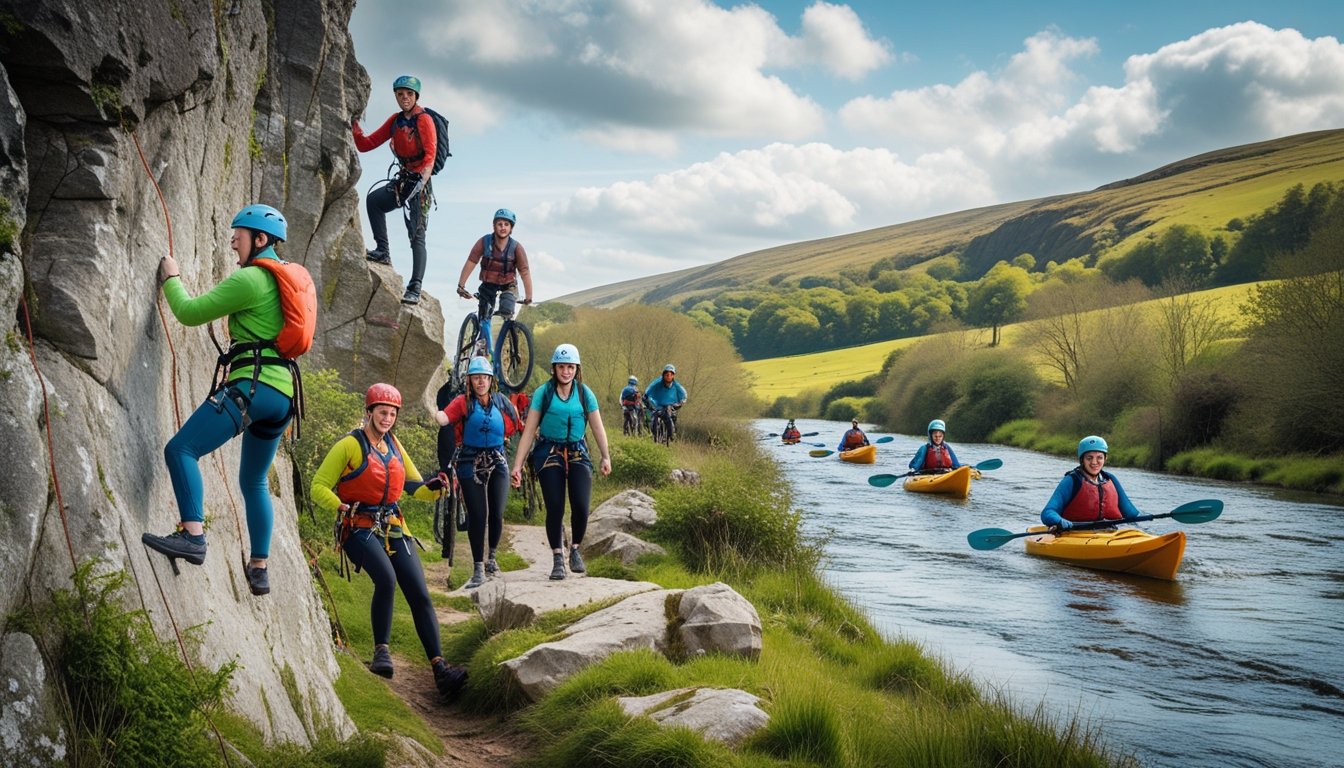
Adventure sports in the UK have garnered increased interest, leading to implications for tourism, the economy, and environmental management. From safety regulations to economic benefits, these factors greatly influence the landscape of adventure sports.
What are the safety regulations governing adventure sports in the UK?
In the UK, adventure sports are regulated to ensure participant safety. Governing bodies like the Adventure Activities Licensing Authority (AALA) oversee activities such as climbing, trekking, and watersports. Providers must comply with guidelines to reduce risks and maintain high safety standards.
Which adventure sports have seen the most significant growth in popularity in the UK recently?
Recently, sports such as wild swimming, e-biking, and parkour have gained traction. These activities appeal to those looking for unique experiences, combining physical challenges with the beauty of natural settings.
How has the adventure sports industry impacted tourism in the UK?
Adventure sports have significantly boosted tourism in various regions of the UK. Destinations known for activities like kayaking and mountain biking attract both domestic and international visitors, contributing to the local economy.
What qualifications are required to instruct adventure sports in the UK?
Instructors in the UK are required to have relevant qualifications from recognised bodies like the British Mountaineering Council or the Royal Yachting Association, depending on the sport. These credentials ensure that instructors can competently manage risks and provide quality training.
How do environmental concerns shape the management of adventure sports locations in the UK?
Environmental sustainability is crucial in managing adventure sports locations. Measures are implemented to protect natural landscapes, including restrictions on participant numbers and specific guidelines to minimise ecological impact.
What are the economic benefits of the rising popularity of adventure sports for local communities in the UK?
Local communities benefit economically from the rise in adventure sports through increased business for local shops, accommodation providers, and service industries. Employment opportunities in guiding, equipment rental, and training courses also rise, supporting local livelihoods.